
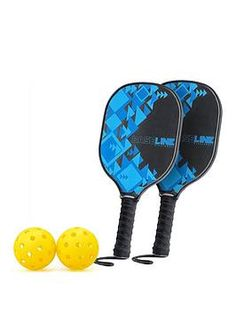
The “grip” on a pickleball paddle refers to three main aspects:
- Size (circumference)
- Shape (how the handle feels in your hand)
- Material/Textures (factory grip + overgrips)
There’s also the holding style (how you position your hand), which is equally important.
1. Grip Size (Circumference)
Most pickleball paddles have grips ranging from 4.0″ to 4.75″ in circumference.
| Grip Size | Circumference | Best For | Pros | Cons |
|---|---|---|---|---|
| Small | 4.0″ – 4.125″ | Smaller hands, women, juniors | Better wrist snap, quicker volleys | Less stability on powerful shots |
| Medium | 4.25″ – 4.375″ | Most adult players | Best balance of control & comfort | — |
| Large | 4.5″ + | Larger hands, men with big palms | More stability & power | Can restrict wrist movement |
Quick Test: Hold the paddle in your dominant hand. You should be able to fit your non-dominant index finger snugly between your fingers and palm. If there’s too much space, the grip is too big. If it feels cramped, it’s too small. Pro Tip: When in doubt, choose slightly smaller — you can always add overgrips to increase size, but you can’t easily make a grip smaller.
2. Grip Shape
- Rounded (Oval/Traditional): Most common and comfortable for most players. Fits naturally in the hand.
- Square/Rectangular: More angular with flatter sides. Provides better “bevel” feedback for consistent hand positioning and can reduce twisting on off-center hits.
- Hybrid/Ergonomic: Slight contours designed to match finger placement.
Most players prefer rounded grips for comfort, while some advanced players like square grips for better shot consistency.
3. Grip Materials & Textures
Factory grips and replacement overgrips come in different feels:
- Tacky Grips: Sticky, high-friction surface. Excellent in dry conditions for maximum control. Can become slippery when very sweaty.
- Dry / Absorbent Grips: Matte, textured surface that wicks away moisture. Great for sweaty players or humid climates.
- Cushioned Grips: Thicker, softer material that reduces vibration and hand fatigue. Ideal for players with arm issues (tennis elbow, etc.).
- Standard Synthetic: Basic polyurethane or rubberized grips that come on most paddles.
Overgrips are thin, replaceable layers you wrap over the factory grip. Popular choices include tacky polyurethane (like Gamma or Tourna) or dry absorbent styles. Many players replace the factory grip with a fresh overgrip every few weeks.
4. Hand-Holding Grip Styles
These refer to how you orient your hand on the paddle:
- Continental Grip (most popular in pickleball): Index knuckle on bevel 2. Versatile for volleys, dinks, serves, and quick reactions at the net. Great all-around choice.
- Eastern Grip: More forehand-oriented. Better for powerful drives and topspin but less ideal for backhand volleys.
- Western Grip: Extreme topspin on forehands, but difficult for net play and backhands.
- Panhandle / Shake Hands: Very neutral, natural position — sometimes used casually.
Most recreational and competitive players use the Continental grip because pickleball involves a lot of quick volleys and soft shots near the kitchen.
Quick Recommendations
- Beginners: Medium size (4.25″), rounded shape, cushioned or tacky grip.
- Sweaty players: Dry/absorbent overgrips.
- Arm comfort focus: Cushioned overgrips + slightly larger size.
- Maximum control: Tacky overgrip + Continental grip style.
Maintenance Tip: Clean your grip regularly with a damp cloth. Replace overgrips when they get slick or worn (every 10–30 hours of play).
Would you like recommendations for specific overgrips, help choosing a grip size based on your hand measurements, or advice on how to switch to a Continental grip? Let me know your hand size or playing style! 🎾
Author

Related posts

Continental Grip Drills
Here’s a set of effective, progressive drills specifically designed to help you master and internalize the Continental Grip. Do these regularly and...
Read out all
Continental Grip Techniques
Continental Grip Technique – The #1 Recommended Grip for Pickleball The Continental Grip (also called the “hammer grip” or “neutral grip”) is...
Read out all
Pickleball Paddle Grip Adjustment
Adjusting grip size is one of the easiest and most effective ways to improve comfort, control, and reduce injury risk. Here are...
Read out all
Pickleball Grip Tape
Overgrips (also called grip tape) are thin, replaceable layers you wrap over your paddle’s factory grip. They improve comfort, control, sweat management,...
Read out all
Pickleball Paddle Comparison
Here’s a focused comparison of popular 2026 pickleball paddle models based on current reviews, player feedback, and performance testing. I selected four...
Read out all
Deeper Comparison of Pickleball Paddle Material
Deeper Comparison of Pickleball Paddle Core Materials (2026 Update) Here’s a more detailed breakdown of the main core materials used in pickleball...
Read out all