
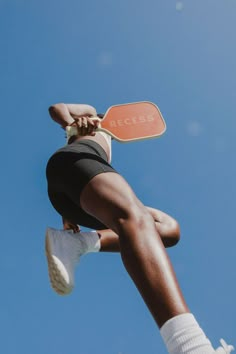
The third shot drop is one of the most important shots in pickleball. It’s hit by the serving team on the third shot of the rally (after the serve and return of serve) and aims to land softly in the opponent’s kitchen (non-volley zone). This allows both you and your partner to advance to the net safely and neutralize the advantage the returning team has.
A strong third shot drop turns defense into offense and is essential for consistent wins.
Core Technique Fundamentals
- Grip: Use the Continental Grip (as we discussed earlier) for versatility and soft touch.
- Stance: Athletic, semi-open or neutral stance with knees bent and weight slightly forward. Stay on the balls of your feet.
- Contact Point: Hit the ball out in front of your body (never behind). This gives better control and forward momentum.
- Grip Pressure: Very light — 3–4 out of 10. A tight grip causes the ball to fly long.
- Swing Path: Low-to-high motion with a compact, smooth stroke. Think “lift” or “push” rather than a big swing.
- Follow Through: Extend toward your target and move forward into the court after contact.
Aim Point Tip: Don’t aim directly at the kitchen. Visualize aiming at a spot 5–7 feet high near your own kitchen line (or at head height). Gravity will pull the ball down into the opponent’s kitchen.
Modern Third Shot Drop Variations
Here are the most effective techniques used by strong players in 2026:
- Lift / Push Drop (Foundation Shot) The safest and most consistent option. Use a gentle upward lift with an open paddle face. Ideal for most situations, especially when you need reliability.
- Topspin Drop Add topspin by brushing up the back of the ball. This gives extra net clearance while making the ball dip sharply into the kitchen. Great for putting pressure on opponents.
- Slice / Backspin Drop Use a slight downward cut for backspin. The ball floats softly and stays low after bouncing — excellent when stretched wide or against aggressive players.
- Hybrid / Drip Drop A blend of drive and drop. Hit with moderate pace and spin for a faster trajectory that still lands short. Useful against teams that poach or move forward quickly.
- Shovel Drop A newer, more aggressive variation with forward body momentum and a scooping motion. Generates good depth control with forward propulsion.
Common Mistakes to Avoid
- Hitting with too much backswing → causes inconsistency.
- Contacting the ball too late (behind your body) → leads to pop-ups.
- Using too much wrist → reduces control (use bigger shoulder and leg muscles).
- Standing flat-footed or falling backward → kills forward momentum.
- Gripping too tightly → makes the ball travel too far.
Best Practice Drills
- Hand Toss Drill: Toss the ball to yourself and practice dropping it into the kitchen zone. Focus purely on feel and trajectory.
- Wall or Rebounder Drill: Hit third-shot-style drops against a wall from baseline distance.
- Partner Feed Drill: Have your partner feed returns from the opposite side while you practice drops from various positions.
- Progressive Rally Drill: Start with controlled drops, then add movement and random feeds.
Pro Tip: Always move forward immediately after your drop. The goal is to reach the kitchen line at the same time (or right after) your ball bounces in their kitchen.
Would you like me to expand on any specific variation (e.g., topspin drop mechanics), create drills tailored to your level, or generate an illustrated visual guide showing the swing path and contact point? Just let me know your current skill level or biggest challenge with this shot! 🎾
Author

Related posts

Why Use Topspin on Your Drop
Detailed Topspin Drop Mechanics Common Mistakes Pro Tip: Visualize “brushing up the back” with minimal direct force. It should feel light and...
Read out all
Pickleball Drills to Improve Your Game
Enhance your skills with effective pickleball drills designed for players of all levels.
Read out all
Understanding Pickleball Strategies
- 0
- 42 words
Mastering strategies in pickleball can elevate your game. Learn key strategies to outsmart your opponents.
Read out all