
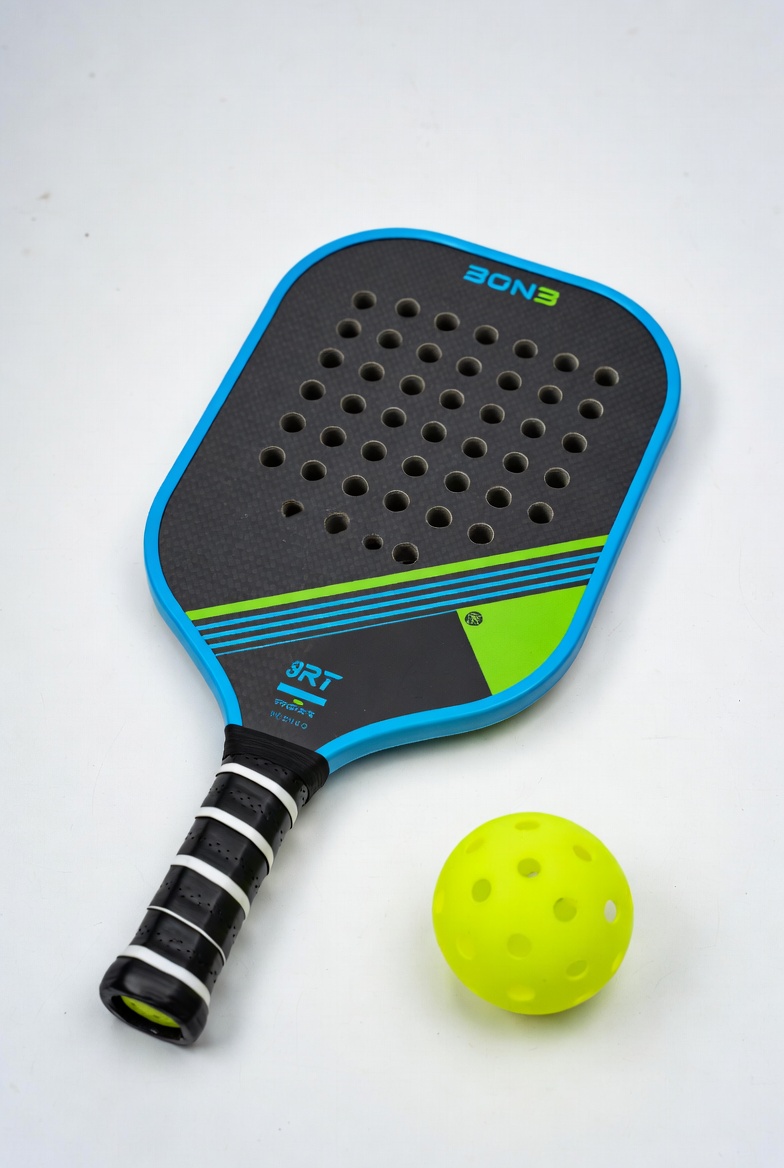
Pickleball Paddle Materials Comparison (2026 Guide)
Pickleball paddles consist of two main parts: the core (inner honeycomb structure) and the face (outer hitting surface). These materials dramatically affect power, control, spin, feel, weight, sound, and durability.
Core Materials Comparison
| Core Material | Power | Control / Feel | Sound | Durability | Weight | Best For | Pros | Cons |
|---|---|---|---|---|---|---|---|---|
| Polymer (Polypropylene) | Medium | Excellent | Quiet | High | Medium | Most players, beginners to advanced | Balanced performance, comfortable, forgiving, vibration-dampening | Less raw power than Nomex |
| Nomex | High | Lower | Very Loud | Very High | Light-Medium | Aggressive baseline players, power seekers | Explosive power, very durable | Harsh feel, less control, noisy |
| Aluminum | Medium-Low | Good | Loud | Medium | Lightest | Budget paddles, casual play | Very lightweight, cheap | Dents easily, outdated performance |
| Others (SST, Foam, etc.) | Varies | Varies | Varies | Varies | Varies | Specialty paddles | Unique feel in some premium models | Less common, inconsistent |
Key Takeaway on Cores: Polymer is by far the most popular and recommended core in 2026. It offers the best overall balance for the majority of players. Nomex is favored by power players who don’t mind the louder “pop,” while aluminum is mostly found in very cheap beginner paddles.
Face Materials Comparison
| Face Material | Power | Spin | Control | Touch / Feel | Weight | Price Level | Best For |
|---|---|---|---|---|---|---|---|
| Fiberglass | High | High | Good | Good | Heavier | Affordable | Power players, spin seekers |
| Carbon Fiber / Graphite | Medium-High | Medium-High | Excellent | Excellent | Lighter | Premium | Control-oriented, advanced players |
| Hybrid (Carbon + Fiberglass or other) | Balanced | Balanced | Balanced | Balanced | Medium | Mid to High | All-around versatile play |
Key Takeaway on Faces:
- Fiberglass → Generates more power and spin because it’s more flexible and has a longer “dwell time” (ball stays on paddle longer).
- Carbon Fiber / Graphite → Stiffer and lighter, providing better control, precision, and a crisper feel — ideal for dinking and quick reactions at the net.
- Hybrids try to combine the best of both.
Quick Recommendations by Player Type
- Beginners: Polymer core + Fiberglass or Hybrid face (forgiving and balanced).
- Intermediate All-Around: Polymer core + Carbon Fiber face.
- Power / Baseline Players: Nomex core + Fiberglass face.
- Control / Dink Specialists: Polymer core + Graphite/Carbon Fiber face.
- Budget (< $80): Polymer core with basic fiberglass.
Other Factors That Matter
- Core Thickness: Thicker cores (13–16mm) = more control and softer feel. Thinner cores = more power.
- Paddle Weight: 7.3–8.5 oz is the sweet spot for most players.
- Shape & Sweet Spot: Wider paddles offer more forgiveness.
Would you like me to recommend specific paddles based on your playing style (power vs control), budget, or level? Or compare particular models you’re considering?
Author

Related posts

Continental Grip Drills
Here’s a set of effective, progressive drills specifically designed to help you master and internalize the Continental Grip. Do these regularly and...
Read out all
Continental Grip Techniques
Continental Grip Technique – The #1 Recommended Grip for Pickleball The Continental Grip (also called the “hammer grip” or “neutral grip”) is...
Read out all
Pickleball Paddle Grip Adjustment
Adjusting grip size is one of the easiest and most effective ways to improve comfort, control, and reduce injury risk. Here are...
Read out all
Pickleball Grip Tape
Overgrips (also called grip tape) are thin, replaceable layers you wrap over your paddle’s factory grip. They improve comfort, control, sweat management,...
Read out all
Pickleball Paddle Grip Types
The “grip” on a pickleball paddle refers to three main aspects: There’s also the holding style (how you position your hand), which...
Read out all
Pickleball Paddle Comparison
Here’s a focused comparison of popular 2026 pickleball paddle models based on current reviews, player feedback, and performance testing. I selected four...
Read out all