
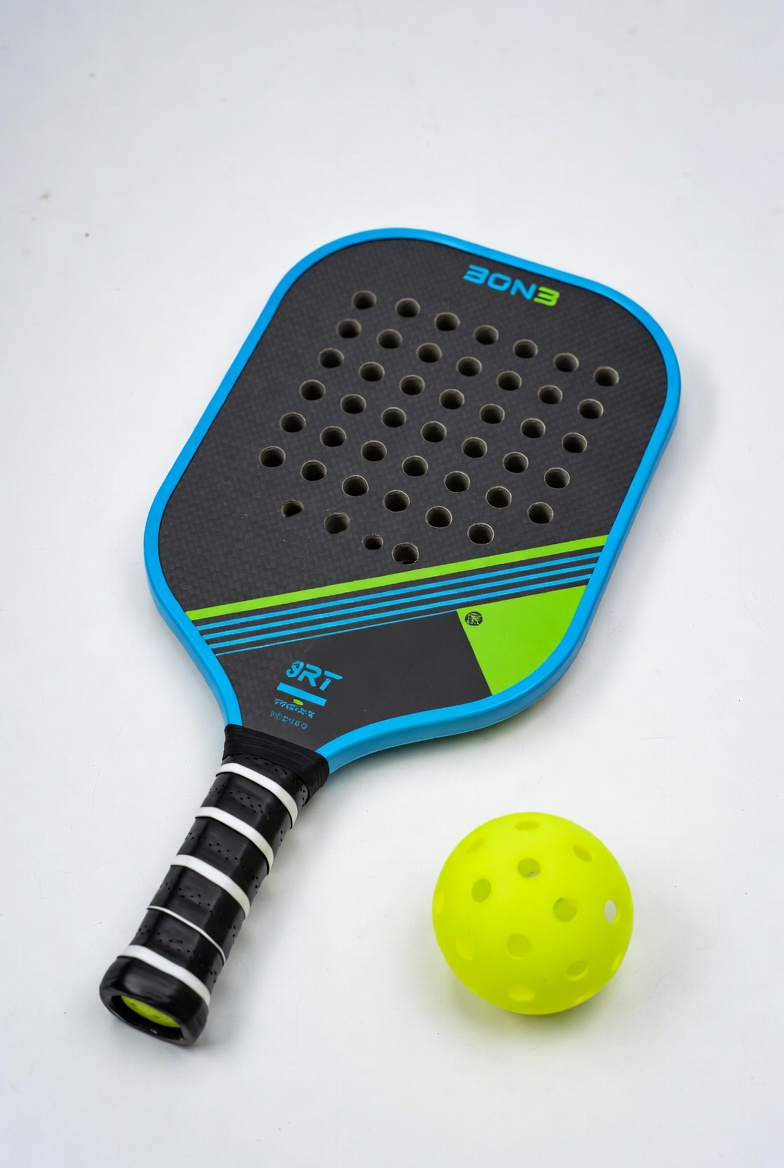
The core thickness is one of the most important factors in how a pickleball paddle feels and performs. Most modern paddles range from 13mm to 16mm thick (some go as low as 11–12.7mm or up to 20mm).
Core Principle
- Thinner core = More power (the ball rebounds faster with more “pop”)
- Thicker core = More control (the paddle absorbs more energy for a softer, more precise feel)
Detailed Comparison
| Aspect | Thinner Core (13mm or less) | Thicker Core (16mm or more) |
|---|---|---|
| Power | Higher – quicker rebound, more velocity | Lower – ball slows down slightly |
| Control / Touch | Less – faster response, less forgiveness | Higher – better for dinks, drops, resets |
| Feel | Stiffer, crisper, more “lively” | Softer, more cushioned, “pocketing” the ball |
| Sweet Spot | Smaller | Larger and more forgiving |
| Vibration / Comfort | More shock transmitted to arm | Better shock absorption, arm-friendly |
| Hand Speed at Net | Faster reaction | Slightly slower but more stable |
| Best For | Aggressive drivers, bangers, players needing extra pop | Control players, dinkers, beginners/intermediates, soft game specialists |
| Sound | Louder, sharper “pop” | Quieter and more muted |
Why Does Thickness Matter?
When the ball hits the paddle:
- A thinner core compresses less, so the ball bounces off quicker with more energy → more power.
- A thicker core compresses more and absorbs some of the ball’s energy → more control and dwell time (the ball stays on the paddle face slightly longer, giving you better placement).
Recommendations by Player Type
- Beginners (up to ~3.5 level): Start with 16mm (or thicker). It helps with consistency on soft shots, third-shot drops, and reduces mishits.
- Intermediate All-Around Players: 14–15.2mm often provides the best balance of power and control.
- Advanced / Power Players: 13mm (or thinner) for maximum drive and speed on serves and groundstrokes.
- Control / Finesse Players: 16mm+ for superior touch near the kitchen.
Pro Tip: Many serious players own two paddles — a thinner one for power games and a thicker one for control-focused days or tournaments.
Core thickness works together with other factors like core material (polymer vs Nomex), face material, and paddle weight. A thin power paddle with a stiff carbon face feels very different from a thin paddle with a softer face.
Would you like me to recommend specific paddles in different thicknesses based on your playing style, budget, or level? Or compare popular models head-to-head?
Author

Related posts

Continental Grip Drills
Here’s a set of effective, progressive drills specifically designed to help you master and internalize the Continental Grip. Do these regularly and...
Read out all
Continental Grip Techniques
Continental Grip Technique – The #1 Recommended Grip for Pickleball The Continental Grip (also called the “hammer grip” or “neutral grip”) is...
Read out all
Pickleball Paddle Grip Adjustment
Adjusting grip size is one of the easiest and most effective ways to improve comfort, control, and reduce injury risk. Here are...
Read out all
Pickleball Grip Tape
Overgrips (also called grip tape) are thin, replaceable layers you wrap over your paddle’s factory grip. They improve comfort, control, sweat management,...
Read out all
Pickleball Paddle Grip Types
The “grip” on a pickleball paddle refers to three main aspects: There’s also the holding style (how you position your hand), which...
Read out all
Pickleball Paddle Comparison
Here’s a focused comparison of popular 2026 pickleball paddle models based on current reviews, player feedback, and performance testing. I selected four...
Read out all